•
•
•
•
•
•
•
•
•
•
•
•
•
•
•
•
•
•
•
•
News
•
•
•
•
•
•
•
•
•
•
•
•
•
•
•
•
•
•
•
•


BewhY’s "SOUTHSIDE FREESTYLE" (2026) is a fierce, uncompromised artistic reset that serves as a dense and deeply polarizing manifesto. Released immediately following the closure of his independent label, Dejavu Group, the track completely discards mainstream commercial structures, delivering an unfiltered, chorus-less freestyle driven entirely by his signature razor-sharp diction and breathless, percussive cadence. Thematically, BewhY fearlessly interweaves intense socio-political commentary, Christian theology, and raw personal accountability. He ignites public discourse by sampling South Korea’s founding president, Syngman Rhee, to frame "the Southside" as a bastion of liberal democracy and faith, explicitly denouncing communism by contrasting the "sickle and hammer" against Christ's "empty tomb." Yet, amidst these aggressive, sweeping ideological declarations, the song remains deeply grounded; BewhY directly confronts his own corporate shortcomings with the vulnerable line, "Failure is Dejavu," while anchoring his driving motivation in the protective duties of fatherhood. Ultimately, "SOUTHSIDE FREESTYLE" strips away the polished grandiosity of his past work, cementing BewhY's status as an uncompromising creator who willingly risks public controversy to prioritize raw, authentic truth over safe commercial appeal.
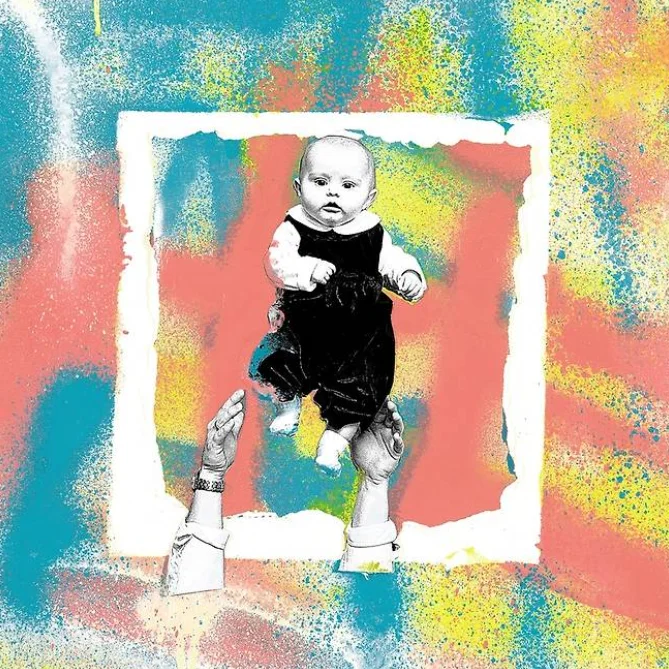
Following a nearly decade-long wait since his last full-length album (I am A Dreamer), Park Hyo-shin finally made his highly anticipated return in 2026 with the EP, A & E. The title refers to the ancient Latin ligature "æ"—a single character formed by fusing the letters 'A' and 'E'. As Park Hyo-shin shared, this symbol serves as the foundational metaphor for the entire album: two distinct entities gracefully merging into one seamless whole. Here is an in-depth review of the A & E album, exploring its production, themes, and key tracks. Album Architecture & Sound DesignA & E is a beautifully balanced 7-track journey spanning roughly 27 minutes. Sonically, it represents a mature evolution of Park Hyo-shin's musical identity. He strips away the heavy, dramatic beltings of his early career, opting instead for a deeply comforting, healing, and expansive atmosphere that borders on "cinematic folk" and classical pop. The production is helmed by Park Hyo-shin alongside the brilliant Sam Kim, with contributions from elite arrangers like Freedo and Ryan Bickley. The instrumentation is lush yet spacious—trading aggressive digital synths for warm acoustic guitars, grand pianos, and sweeping orchestral arrangements that elevate his signature baritone voice. The title track "AE" co-written with legendary lyricist Kim Eana, "AE" serves as the emotional thesis of the record. It deals with unconditional, deeply spiritual love—the idea of connecting and communicating with someone regardless of roles, usefulness, names, or gender. It begins softly, carried by intimate vocal delivery and delicate guitar plucking, before expanding into a soaring, euphoric climax. It feels less like a traditional commercial ballad and more like a collective hymn of comfort. A & E is not an album designed for instant, high-energy chart success; it is a long-form artistic statement built for longevity. Park Hyo-shin successfully transforms his role from a powerful vocalist into a gentle, reassuring narrator. The album moves away from the devastating sorrow of past hits like "Wild Flower" and moves toward reconciliation, unity, and healing.

ATEEZ - 14th Mini Album [GOLDEN HOUR : Part.5] marks the fifth chapter in the group's ongoing Golden Hour series, which captures and celebrates the group's brightest, most passionate moments. Following the massive billboard success of their previous entry, this EP leans heavily into a theme of raw instinct, deep emotion, and unfiltered heat. Here is a breakdown of the mini-album:Album Overview & ThemeCore Concept: The album focuses on playfully enjoying moments where human instinct and sensory emotions take the lead, confronting the innermost desires of the heart.Creative Involvement: Members Hongjoong and Mingi maintained their signature creative presence by co-writing the lyrics for every single track on the record. Alongside standard versions, KQ Entertainment launched a highly talked-about CDP (CD Player) Version. Echoing the retro analog trend, this limited package includes a fully functioning portable CD player built right into the outbox, complete with custom ATEEZ branding, a charging cable hidden in the packaging blister, and exclusive headset-themed photocard sets.

A collaborative EP that brings together two of the Korean hip-hop scene's most distinct, battle-tested voices: Untell (언텔) and Rohann (이로한). Released under the collective moniker YEAHWEARE, the project acts as a triumphant statement of purpose following Untell’s dominant run on Show Me The Money 12: World of Yacha. Leaving behind the heavy, existential anxieties that characterized Untell’s solo LPs like HUMAN, the album, this project operates on sheer confidence, booming rhythm, and sonic luxury. Track-by-Track Breakdown The EP shifts beautifully between hard-hitting bars and smooth, driving production, showcasing elite chemistry between the two emcees. "JUST QUIT" & "H I P H O P": The project kicks off with an unapologetic attitude. Untell uses his trademark razor-sharp, tight-pocket flow to clear out the noise, while Rohann anchors the tracks with his deeply resonant tone and weighty presence. "IN THE CAR" & "ELEVATOR": The mid-album standout tracks lean into motion and elevation. "ELEVATOR" in particular acts as the energetic peak of the EP—delivering a bouncy, infectious hook and dynamic back-and-forth verses that translate perfectly to a live stage. "HOME" (Feat. The Quiett): A soulful, grounded moment of reflection. The addition of hip-hop pioneer The Quiett lends a veteran stamp of approval to the duo's journey, smoothing out the EP's pacing with laid-back nostalgia. "DIAMONDS" & "RSVP": The EP closes by inviting listeners into their newly built world. It’s an explicit celebration of success, trading raw aggression for the polished, effortless swagger of two artists who know they've earned their spot at the top. The Verdict: Instead of competing for the spotlight, Untell’s piercing, rapid-fire technicality perfectly counterbalances Rohann's booming, classic boom-bap gravity. YEAHWEARE is a lean, no-filler victory lap that balances underground grit with mainstream polish.
If Dept’s music is a sunset, "Slide Thru" is the midnight that follows. Jimmy Brown has mastered the "urban-noir" aesthetic, and this track is a masterclass in his signature late-night, atmospheric R&B. The production is intentionally sparse, built on a deep, rhythmic bassline and a crisp snare that cuts through a hazy cloud of reverb-heavy guitar. By utilizing "negative space," the track feels expansive yet intimate, locking into a hypnotic "head-nod" groove perfect for a city drive. Jimmy Brown’s strength is his tonality. His voice is silky and effortless, sliding between English and Korean with a breathy delivery that makes the language barrier irrelevant. He doesn't rely on vocal gymnastics; instead, he uses a smooth, infectious melody to create a magnetic pull. Lyrically, the song captures the spontaneous tension of a late-night invitation. It’s sophisticated, slightly impulsive, and undeniably cool. It remains a definitive track for any "K-Groove" playlist—a polished piece of mood-setting that proves Brown is one of the most consistent artists in the genre.
Dept has carved out a specific, cozy niche in the K-Indie and R&B scene, and "If We Could Be Forever" is a quintessential example of why they are a staple for "study-chill" and "driving-at-sunset" playlists. The Soundscape: Nostalgia in a Bottle The track is built on a foundation of warm, analog-sounding synths and a steady, mid-tempo groove. It captures that specific feeling of "summer-night nostalgia"—it’s breezy but carries a hint of melancholy. Dept’s production style often favors organic textures, and here, the layering of soft percussion and melodic guitar riffs creates a space that feels both intimate and expansive.

Key Highlights Technicality: Untell delivers relentless, multi-syllabic flows that cement his status as a top-tier lyricist. Synergy: The "Un-Cam-Po" trio exhibits genuine chemistry, blending Untell’s precision with YLN Foreign’s aggression and Khambo’s rhythmic texture. Atmosphere: The production is dark and driving, perfectly matching the "Yacha" (underworld) theme. Verdict Pros: Elite breath control, authentic group energy, and raw intensity. Cons: The dense delivery and constant high energy may be overwhelming for some. Final Thought: This remix is a masterclass in rap-as-a-sport, proving the trio is a formidable force in K-Hip-Hop.
f you're a fan of smooth, groovy hip-hop with a romantic touch, then you'll definitely enjoy ODEE's "ride." The song's laid-back vibe and catchy chorus make it a perfect choice for a night-time drive or a relaxing evening. The lyric video is a simple but effective way to experience the song's lyrics and overall atmosphere.
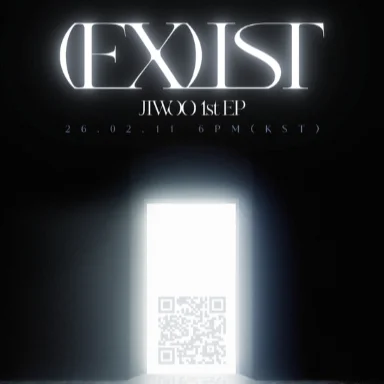
Jiwoo Jeon’s first solo EP, ‘(EX)IST’, starts from the "past" Jiwoo and carves out her vivid "existence" as a solo artist through countless moments and experiences. From a neutral yet sensual charm and bold seduction born of a dominant attitude to the explosive energy of a heated night and the heavy resonance of quiet comfort—this album consists of tracks that reveal every facet of Jiwoo Jeon. It is a pinnacle reached by a narrative built over a long period of time. In ‘(EX)IST’, you can encounter a Jiwoo Jeon who is deeper and more defined than ever before. It clearly declares her start as a solo artist, recording the exact moment the name "Jiwoo Jeon" establishes itself as a singular existence.
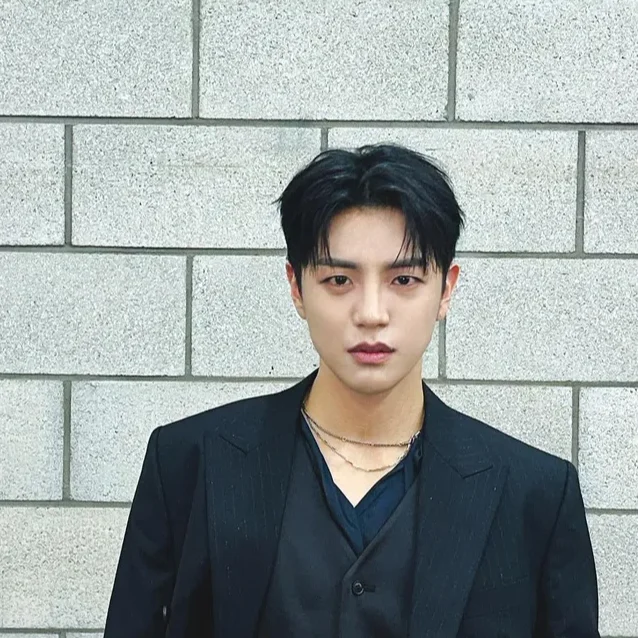
In his solo EP Love Before Me, Lee Jihun strips away the high-energy persona of an idol to reveal the raw, vulnerable sinews of a man shaped by love. The album serves as a sonic bridge between the "clumsy past" and a "mature present," proving that for Jihun, love isn't just a feeling—it is the very lens through which he views his existence. 1. Forever Mine The Theme: The transition from present tense to past tense. The Vibe: A haunting realization. Jihun captures the exact moment the warmth of "I cherish you" turns into the cold finality of "I cherished you." It’s a song for anyone who realized the value of a person only after the door had closed. His vocals here likely trade power for a delicate, breathy intimacy, reflecting the "clumsiness" of a younger self who took love for granted. 2. Too Late The Theme: Regret as a catalyst for action. The Vibe: Urgency wrapped in a ballad. This track serves as a wake-up call. Jihun acknowledges the irony of self-improvement: we often become the person our ex-partners deserved only after they are gone. By highlighting that "nothing is eternal," he turns a song about regret into a powerful reminder to cherish the people currently standing by us. It’s the "carpe diem" of the album. 3. Film (필름) The Theme: Brotherhood and the end of a chapter. The Vibe: Cinematic nostalgia. This is arguably the heart of the EP. Moving from romantic love to the platonic love of his teammates, Jihun paints a vivid picture of five men in a cramped car, tired but glowing with shared dreams. It’s a tribute to A.C.E, capturing a "happy cry" that signifies the end of Act 1. It’s not just a song; it’s a captured memory that feels like a warm hug to his members and fans alike. 4. If You Leave Me The Theme: The desperate plea of a "growth pain." The Vibe: Raw, vocal powerhouse. This track dives into the darkest depths of a breakup—the bargaining stage. Jihun asks the painful question: "Would you have stayed if I had let go of my ego?" Describing this agony as a "pure growth pain" is a poetic touch, suggesting that the screams and the longing were necessary for him to become who he is today. 5. Together (우리함께) The Theme: Community as salvation. The Vibe: A hopeful, blooming finale. The album closes on a spiritual high note. After the regret and the pain of the previous tracks, "Together" is the resolution. Jihun admits he couldn't "bloom" on his own. It’s a beautiful acknowledgment of his support system—the fans and loved ones who held the light when he was in the dark. It shifts the album's focus from "I" to "We." Final Verdict [Love Before Me] is more than just a collection of ballads; it is a redemption arc. Lee Jihun uses his incredible vocal range not just to hit high notes, but to reach the deep, often hidden corners of the human heart. It’s an album that tells us: to love is to hurt, but to love is also the only way to grow.
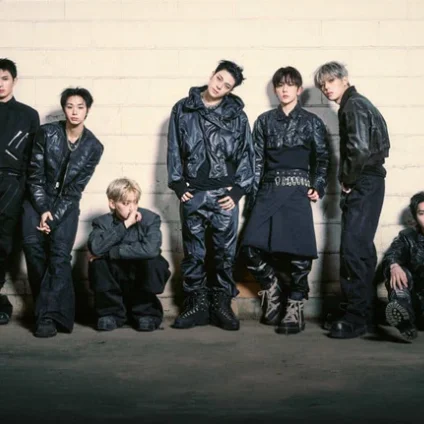
WHIB officially unveils their unique universe with their first mini-album, ROCK THE NATION. This release defines the group's identity and future direction, weaving a deep narrative through its music. The title track, “ROCK THE NATION,” anchors the album with a grand scale and heavy sound. Its massive energy and natural emotional build-up prove WHIB’s irreplaceable presence when paired with their intense stage performance. The song’s aggressive rap and layered, desperate vocals create a sensory "invasion" for the listener. Moving beyond genres, the album utilizes daring, unique beats to capture delicate emotional textures. ROCK THE NATION is WHIB’s first bold conviction. It balances racing energy and unwavering confidence with the underlying themes of anxiety and solitude. By weaving these emotions into a single narrative, WHIB has built a multi-dimensional world. This debut is an explosive, meticulous beginning that is already powerful enough to shake the music industry.
Faulo City is an indie rock band blending alternative rock with shoegaze and post-rock influences. After periods as a one-man project and a duo, the group returned to a four-member lineup in 2025 with the addition of bassist Somae and drummer Kim Do-hyun. Known for their "tenacious vitality" since 2014, they have released three albums and three EPs. Now, after a synth-heavy phase, they are returning to an explosive, band-driven rock sound. Da Capo: Back to the Roots The album title D.C. (Da Capo) signifies a return to the beginning. It features five tracks from Hyunjin-sik’s catalog, reworked through the band's current voice. Key highlights include a disco-infused reinterpretation of the KMA-nominated "Do Androids Dream of Electric Guitars?", remakes of "Parallel Universe" and "Hello Tokyo," and two unreleased tracks, "You" and "Burning." This release marks a powerful declaration of their return to rock roots.
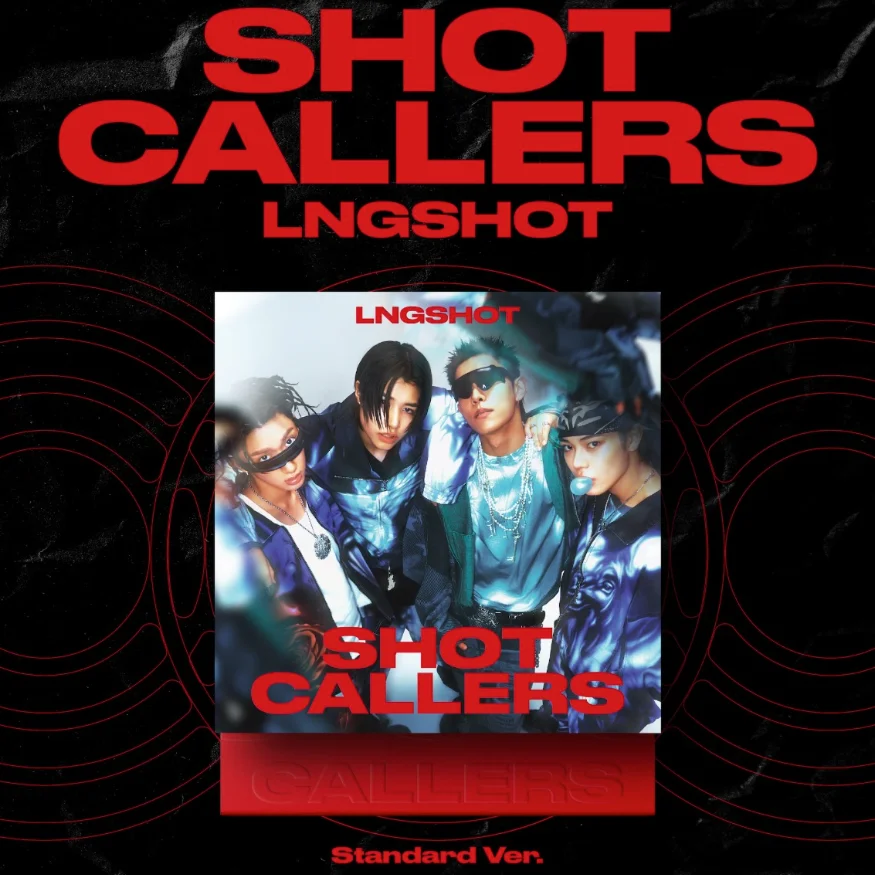
LNGSHOT, the rookie boy group from Jay Park’s label MORE VISION, is releasing their debut EP, [SHOT CALLERS]. Comprised of members OHYUL, RYUL, WOOJIN, and LOUIS, the group first gained traction with their [4SHOBOIZ MIXTAPE], where they defined themselves through self-produced music rather than artificial concepts. [SHOT CALLERS] officially extends this journey, blending the music and culture they love with a core commitment to "authenticity." The members took a leading role in the entire production process, organically weaving together Hip-hop, R&B, Pop, and Dance. The EP is carefully balanced to highlight each member’s unique personality, showcasing their cohesive chemistry and production skills. As a definitive representation of LNGSHOT’s current identity, [SHOT CALLERS] serves as a roadmap for their future. Their self-driven charm and creative vision are vividly expressed not only through the music but also across their choreography and video content.
"Reason Why" is the debut single by Sally Kim, capturing a conviction built over time. The phrase "Everything happens for a reason" was once hard for the artist to accept, as it often feels hollow during emotional turmoil. However, looking back, she realized that even unwanted moments moved her in a necessary direction, shaping her perspective and inner strength. The song explores this through the lens of love, confronting the confusion and loss of self-esteem when a seemingly perfect relationship ends. Rather than defining the end as a failure, it views it as an essential step toward personal growth. This message extends beyond romance to friendships, family, and career—where true connections often emerge only after hardship. "Reason Why" acknowledges that growth is not a linear path, delivering the ultimate message that every moment, however difficult, exists for its own meaningful reason.
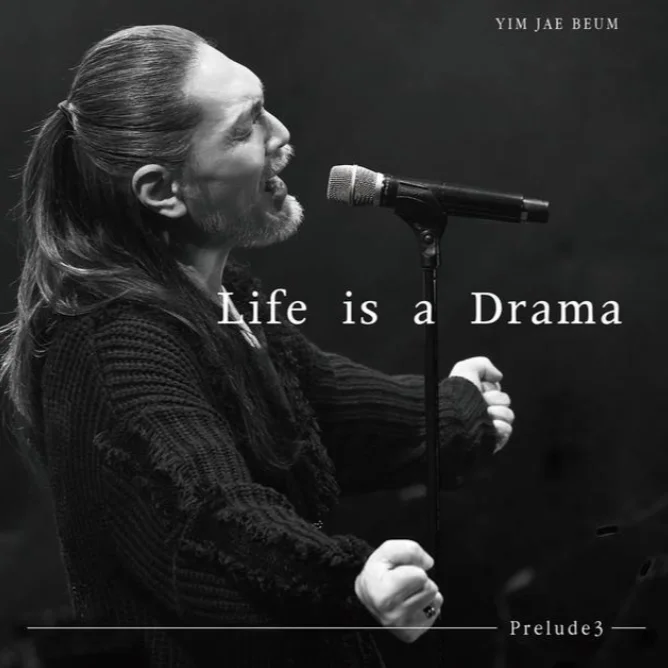
“Life is a Drama” compares life to a television series, viewing it not as something with a fixed conclusion, but as an ongoing process that must be continuously written. Even in moments that feel like repeated frustrations or standing still, the song encourages listeners to move forward, using the countless times they have already fallen and risen as proof of their strength. The lyrics were penned by Kim Eana. Her restrained language and use of "the aesthetics of empty space" meet the profound depth of Yim Jae-beum’s vocals, adding a calm yet weighty persuasiveness to the entire track. Lines such as “Don’t you send me goodbye / Don’t speak of the end,” “You’ve already overcome greater things than this,” “Life is just drama / You are the one writing it,” and “See the new path behind the collapsing wall” reflect on the moments when one chose to rise again instead of disappearing when faced with a crumbling wall. Based on faith in oneself—having already survived greater trials—the song delivers a calm but clear message that paths will open again despite setbacks and repetition. Ultimately, it serves as a reminder that the person who decides the direction of a life is the very subject living it.
Ode to Love Songs: Lyricist Park Chang-hak Songbook Project marks the 35th anniversary of legendary producer Park Chang-hak by remaking his iconic lyrics. The fourth single, "Silly Love," remakes a 2002 drama soundtrack. Featuring Park’s signature restrained lyricism, this jazz-style rendition is arranged by music director Byeon Dong-wook and voiced by singer-songwriter Kim Pomme. The project features a diverse global lineup, including Brazilian masters Celso Fonseca and Cesar Machado, alongside artists like Lee Hyori and Lee Sang-soon. This ambitious collaboration will continue to release through subsequent singles and a full-length album, celebrating Park’s enduring musical legacy.
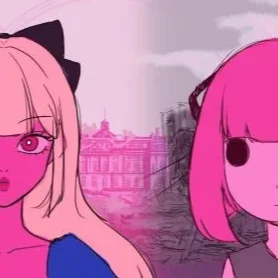
Love always begins in beautiful hues, yet its end often reveals a form of corruption, stained with grime. This album is a chronicle written in the language of "color," tracing a journey from the ruin and destruction born of misplaced love to the eventual realization and atonement found within that wreckage. The one who firmly believes only their own color is the "correct" answer repeats the same fatal errors: manipulating others in the name of love, eroding relationships through jealousy and possessiveness, and cold-heartedly judging another’s kindness and emotions upon a defiled altar. Ultimately, they are met with nothing but illusory disappointment and the very wounds they inflicted upon those who were different from them. Then, at a certain moment—at the deepest, darkest end of the ocean—one finally comes face-to-face with the true essence of love. It is not a love that places the self at the center, but a love that sacrifices oneself to protect the life and dreams of the other. It is the kind of heart that prays for another’s dreams to be guarded, even when standing at the threshold of death. This album is a meticulous record of that long and cruel journey—the moments where colors bleed into one another, crumble, and are finally born anew.
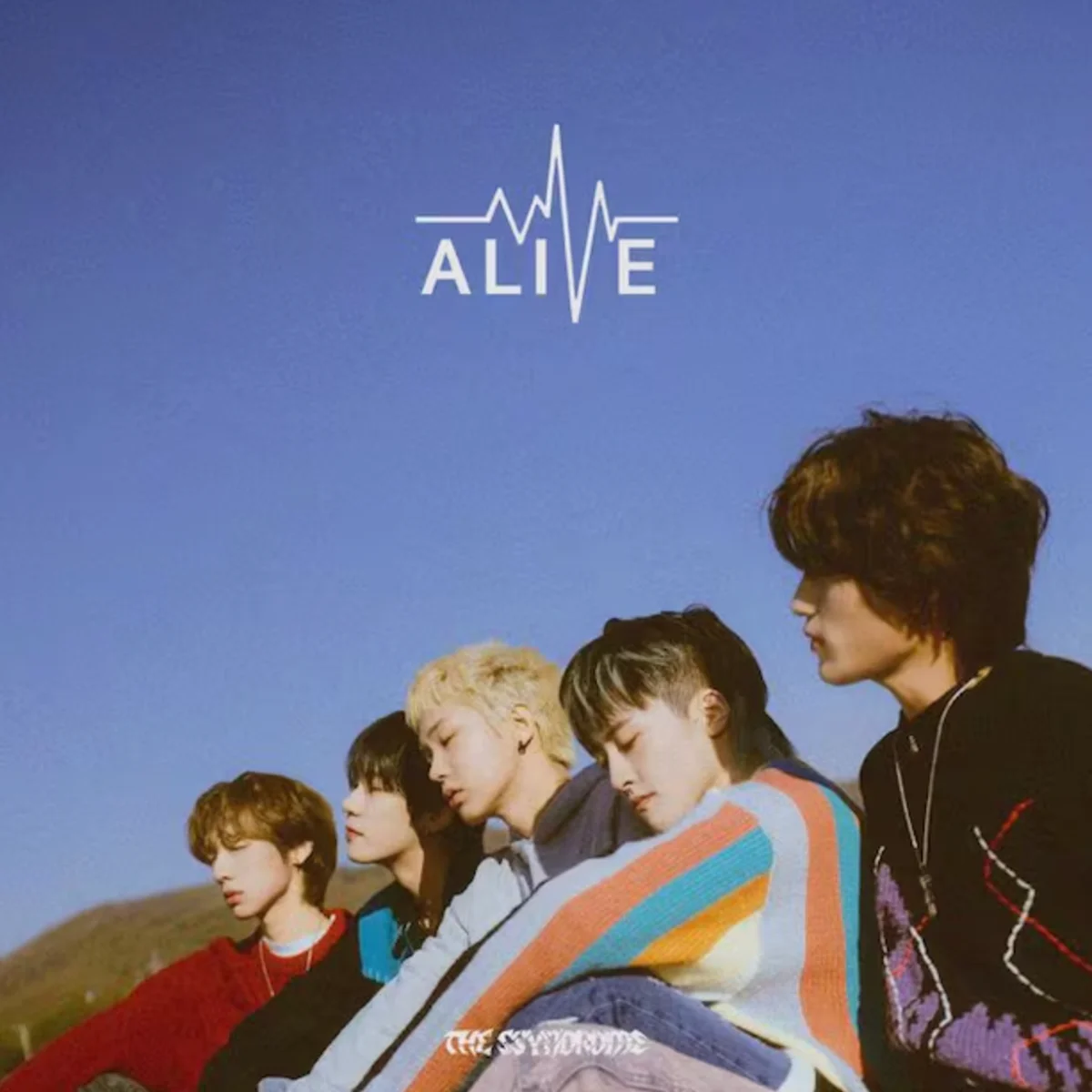
The group name THE SSYNDROME (더씬드롬) combines 'Share' and 'Syndrome,' meaning 'sharing a syndrome together.' The band aims to convey comfort by exploring inner worries and emotions through their unique worldview and music. THE SSYNDROME is a new five-member boy band featuring Seok Junho (Keyboard, Vocal), Yang Heegyo (Guitar, Vocal), Do Mingyu (Bass), Jung Jiyoung (Drums), and Shinsei (Guitar). They record the anxieties, comforts, and moments of resilience we face in life. They aspire for their personal music to create an expanding 'syndrome of empathy' among listeners. Their first syndrome is the Digital Single ‘ALIVE,’ an alternative rock track that carries their core message: "The Syndrome is awakening now, Take off and fly." The song powerfully expresses the desire to fully accept oneself and soar with dignity. The track's appeal comes from the powerful drums, cool guitar riffs, and THE SSYNDROME’s distinct vocals and performance. 'ALIVE' captures the band's energy as they take their first step and directly conveys their message of 'soaring.' With this pre-debut single, THE SSYNDROME reaches out to listeners to share their new musical world.
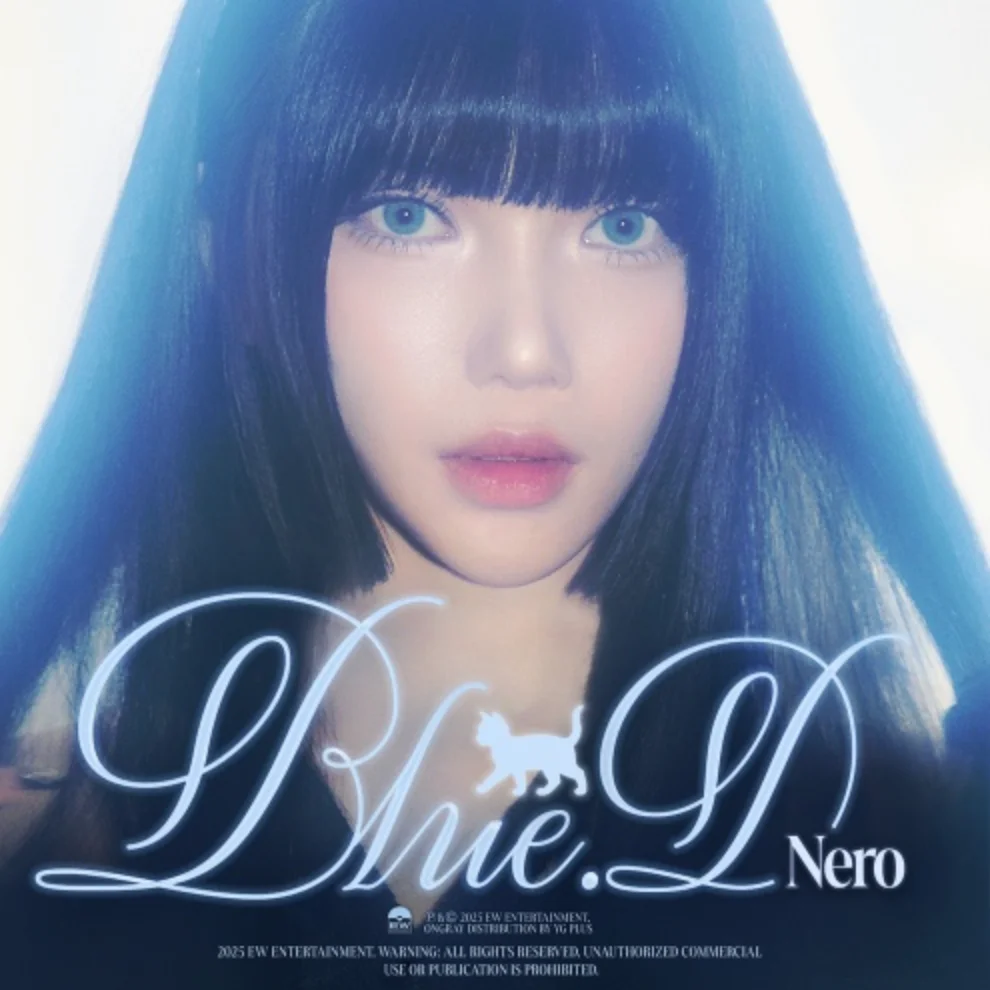
Blue.D is preparing to open a new chapter by resuming full-scale activities with her latest single, which is being released approximately one year after her last. She plans to meet with fans through various promotions for this single. Previously noted as a rookie with a unique vocal tone, who gained attention through numerous featuring collaborations, she reveals a new musical spectrum through this release. With high-quality production, this single will once again engrave Blue.D's name in the music scene. Featuring a free-spirited and witty energy, much like a cat, the single will be the definitive signal announcing Blue.D's official comeback.
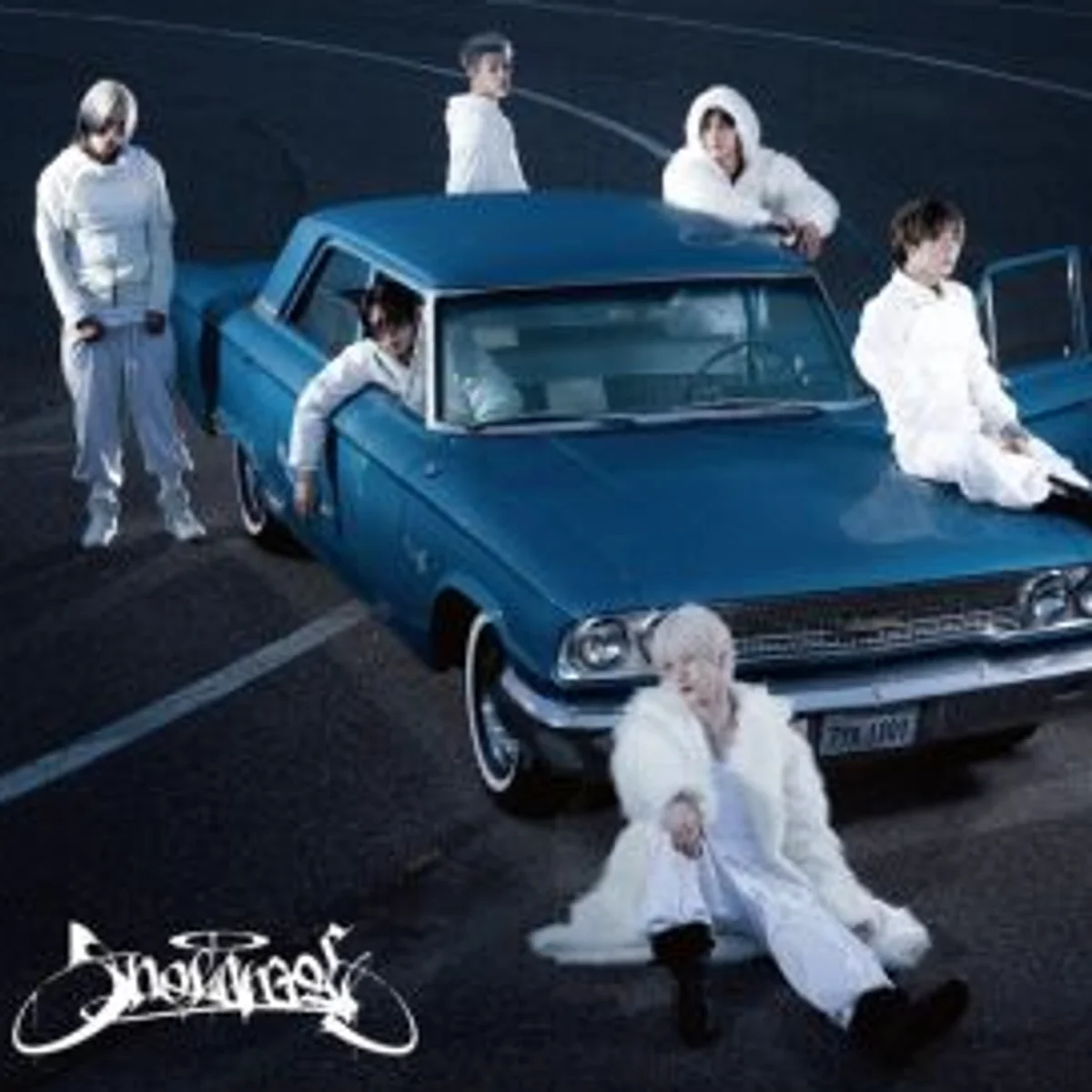
JUSTB's fifth EP [SNOW ANGEL] was produced by Creative Labs ‘808hertz®’ and Executive Producer O Kwon. Rising global hyperpop and alt-R&B artists like Forgotten Melodies, heyzuko!, Meiiny, and Pank contributed. JUSTB members were also heavily involved: GEONU (production), Bain (visuals), SANGWOO & LIM JIMIN (choreography), and DY (composition). The album presents a new sensory world, clashing K-pop's refined sensibility with hyperpop's digital chaos—balancing distorted synths and metallic drums with crystal-clear melodies. It aims to break K-pop formulas, revealing real emotion amidst noise by reinterpreting hyperpop's aesthetic. [SNOW ANGEL] tells a story of conflicting emotions—warmth/cold, love/loss, human/digital.
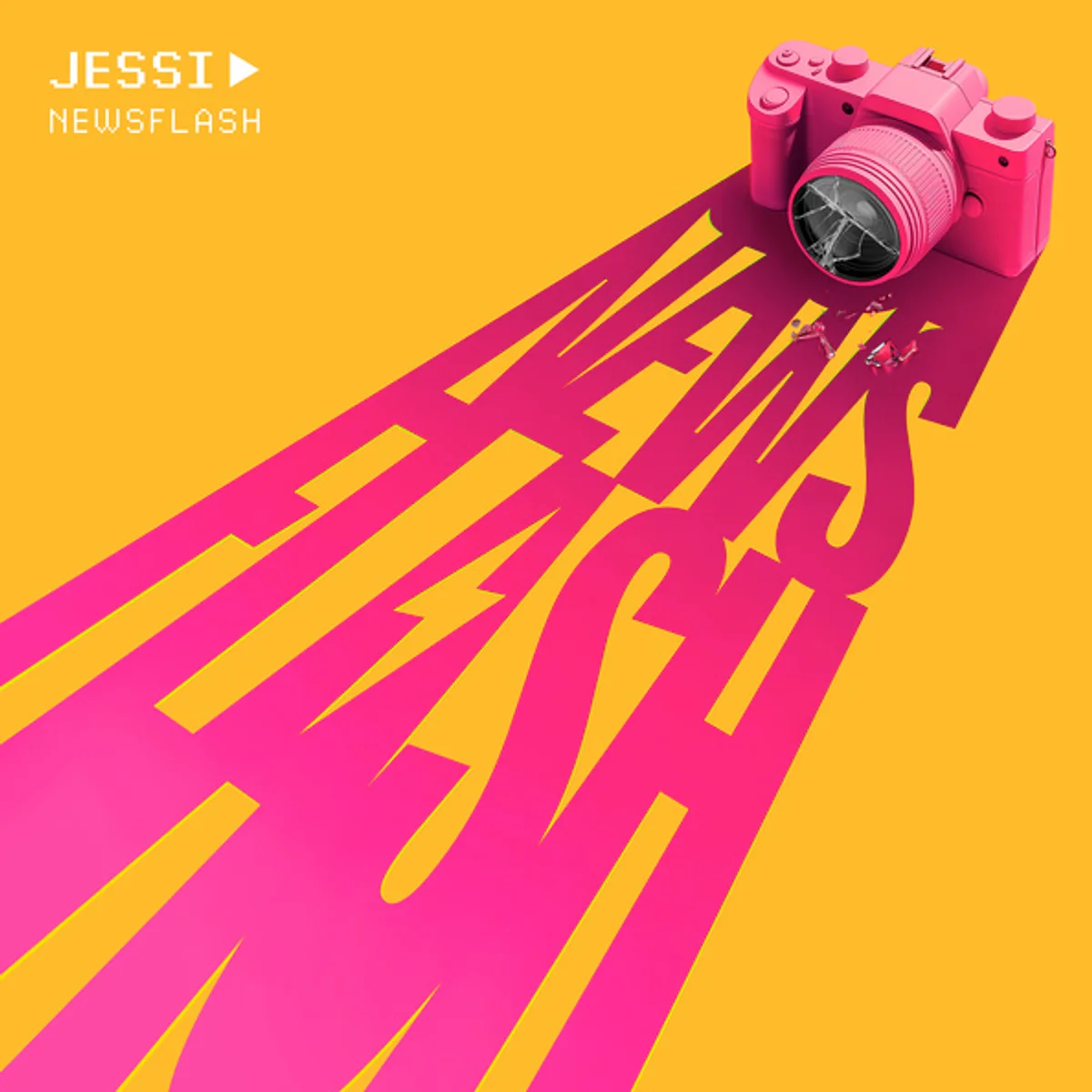
Jessi's "Newsflash" is an unapologetic and fiery anthem of independence and self-affirmation. The song frames her return to the public eye ("Guess who's back") as a major media event, positioning her as the center of the "spotlight" and "makin' headlines" simply by living her life. The track operates as a bold declaration of autonomy, especially with lines like "Walkin’ out of the deal / With a new bag," suggesting a triumphant exit from a previous situation. Lyrically, "Newsflash" blends general defiance against public scrutiny ("I don't read what they type") with a pointed, confrontational diss. She dismisses the "hype" and media chatter while directly targeting a "grown man acting like a bitch," warning that "karma won't miss you." Ultimately, the song is a powerful statement of resilience and empowerment. Jessi reclaims her narrative, turning "his story to her-story," reinforcing her status as the "UNNI" and the "real deal," and concluding with a confident shout-out to her fans ("Jebbies").
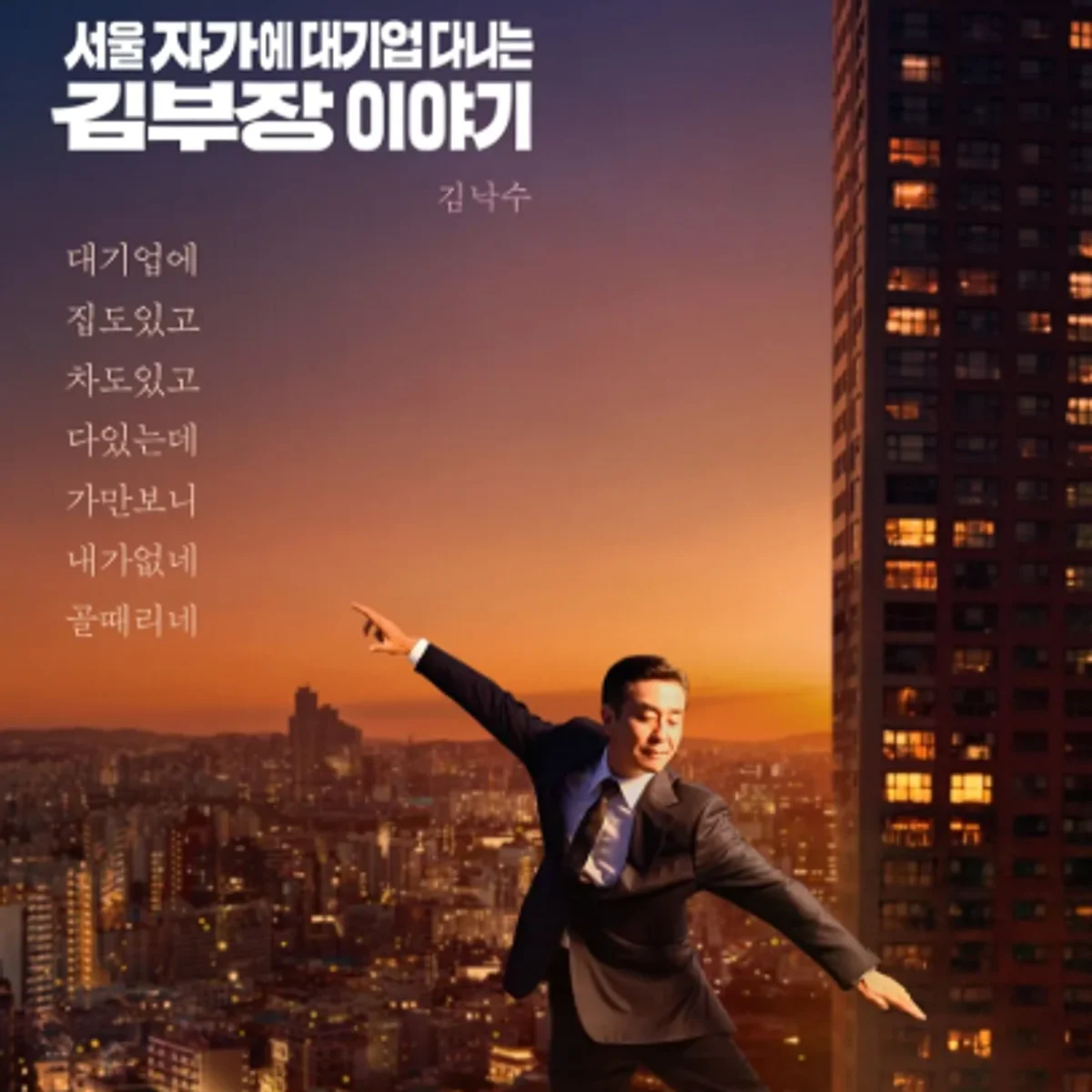
Lee Juck offers his signature vocals for "Le Solitudinaire," the first OST for JTBC's "The Story of Mr. Kim." The track serves as the main theme, featuring lyrics by Lee Juck and composition by Jung Jae-hyung. It attempts an interesting contrast, pairing somber lyrics about wandering with a bright, waltz-like arrangement intended to feel dreamy. The song builds predictably from acoustic guitar to fuller orchestration. While Lee Juck's performance is as emotive and professional as expected, the overall result feels like a standard, by-the-numbers K-drama ballad. It's pleasant and adequately supports the show, but likely won't be particularly memorable.
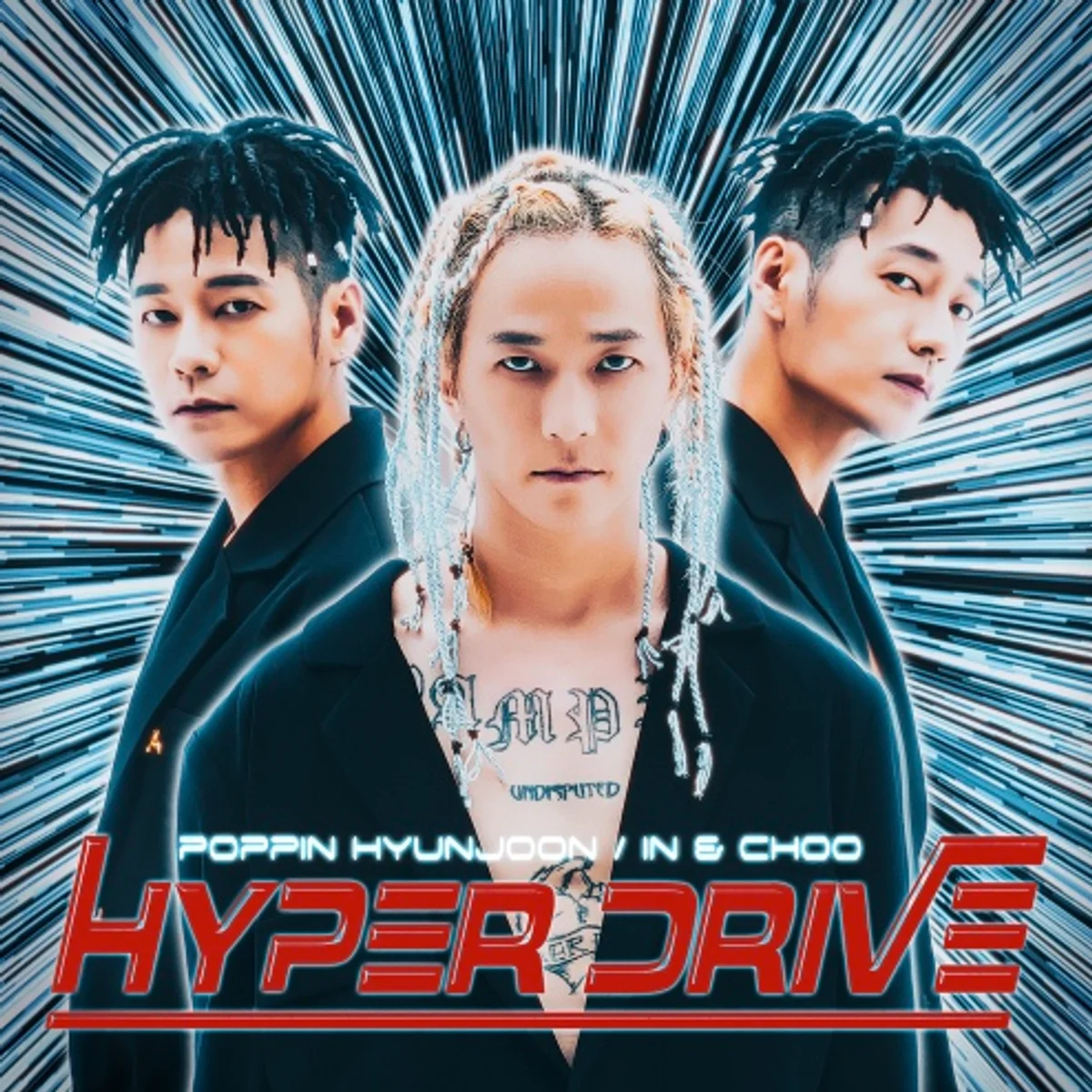
The collaboration <HYPERDRIVE> between Poppin Hyun Joon and IN&CHOO unfortunately falls short of expectations. Despite aiming for a masculine, rough K-pop sound, the track feels somewhat generic and doesn't quite capture the intended edginess. The attempt to fuse trendy idol-style music with powerful popping performance feels awkward; the elements seem disconnected rather than synergistic. Neither the electronic vocals nor the popping truly gets a chance to shine, resulting in a track that relies more on the artists' reputations than on compelling musicality. For K-pop fans seeking something impactful, <HYPERDRIVE> might lack the necessary originality and cohesion.

"Picture Book with Songs" is a project blending sweet melodies with storybook-like visuals, presenting each track as a page exploring love, memory, and longing – a 'Music Book Cinema' series. Its second page, "Want to Hate You and Pretend Not to Know You," draws inspiration from 'Beauty and the Beast'. It delicately portrays the complex emotions between love and separation, exploring the irony of deep love causing deeper scars, yet leaving an unforgettable affection. Built on a lyrical piano melody and emotive vocals, the song immerses listeners in a scene of parting, leaving a lonely yet beautiful, lingering resonance.
Koonta's "유행가 (Popular Song)" is a raw, introspective track steeped in cynicism and personal struggle. He critiques societal pressures ("Follow the trend"), online negativity ("Murderers overflow online"), and superficiality, dismissing easy answers about "mentality." The lyrics expose deep inner turmoil, referencing dark memories, identifying with the hidden pain behind Yuma Asami's smile, and finding resonance in Berserk's themes of forgiveness. The repeated, almost desperate questioning of "What's your dream?" highlights disillusionment. The ironic title contrasts sharply with the dark, confessional content, suggesting this raw honesty, despite its bleakness, is Koonta's authentic "popular song."

&TEAM released their first Korean mini-album, 'Back to Life' marking a new leap onto the global stage after three years of growth since their 2022 debut. The album embodies their strengthened bond, challenging spirit based on 'Wolf DNA' and HYBE's 'Global DNA', and showcases an expanded musical range. The six-track album features the title track 'Back to Life', the cheerful 'Lunatic', confession song 'MISMATCH', powerful 'Rush', rock ballad 'Heartbreak Time Machine', and sincere 'Who am I'. World-class producers contributed, including Bang Si-hyuk, Soma Genda, Latin Grammy nominee JULiA LEWiS, Tyler Spry, Scotty Dittrich, Mick Coogan, and Park Moonchi. The title track 'Back to Life' is an intense Rock Hip-hop song expressing the nine members' resolve and positive energy as they aim for a bigger world. Its driving beat and explosive rhythm highlight their challenging spirit. The performance choreography vividly portrays the members' energies uniting and reviving, powerfully moving forward. It dramatically conveys emotions ranging from intense power and passion to the pain and pressure encountered during challenges, allowing viewers to feel the energy, emotional shifts, and narrative.
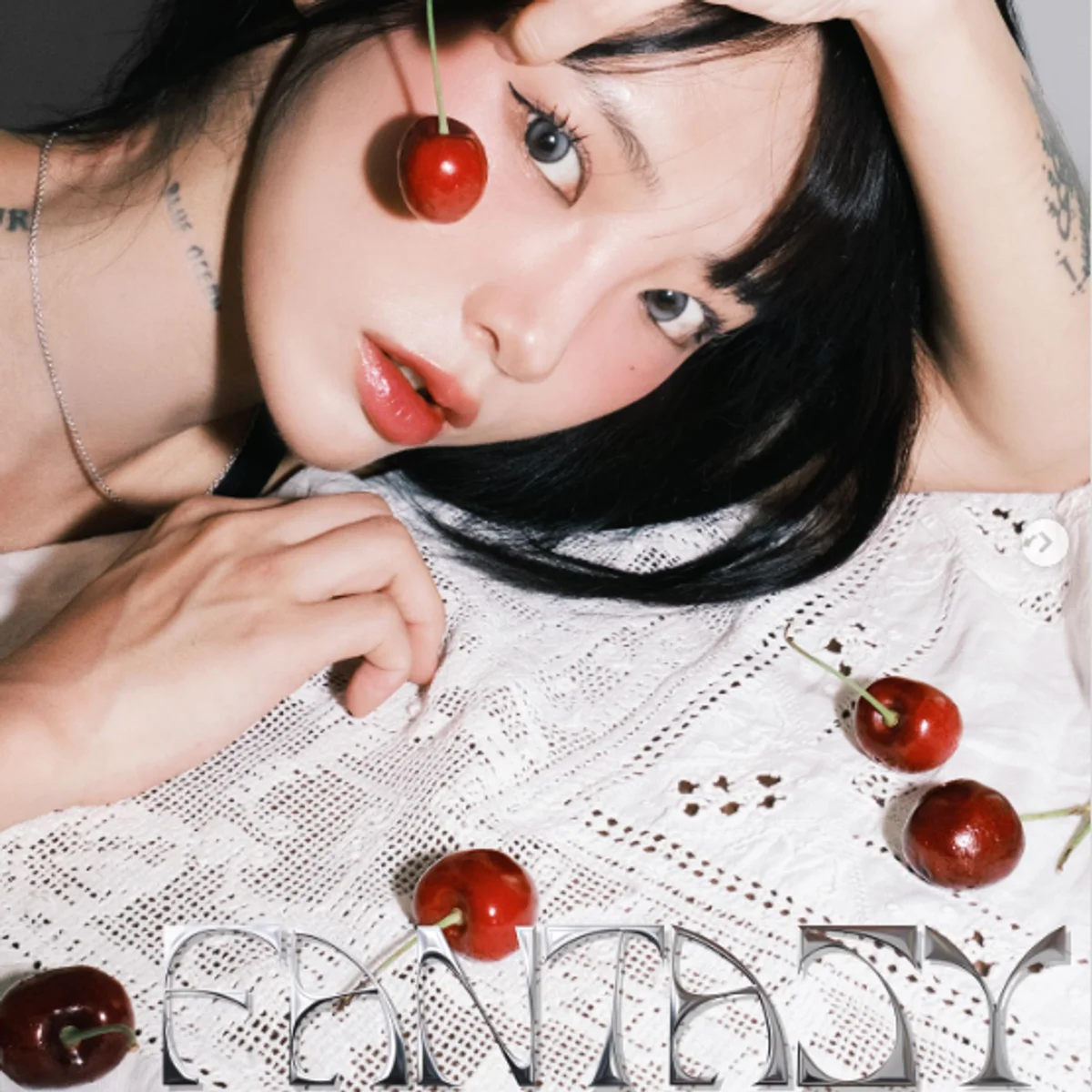
Lee Ba Da returns with bolder, sophisticated R&B, exploring hazy boundaries between sensuality/destruction, love/obsession. This five-track album blurs sensory limits like a hallucination. Starting with the cinematic "killing me softly," it blends Art-pop, Jazz-pop fusion (title track "Ttakkeum"), trap, and electronic R&B. Lee Ba Da's delicate vocals over sharp beats and intense melodies stir deep desires. Each track, a dream and nightmare, forms a sensual fantasy pulling listeners into deep, unsafe emotional waters.
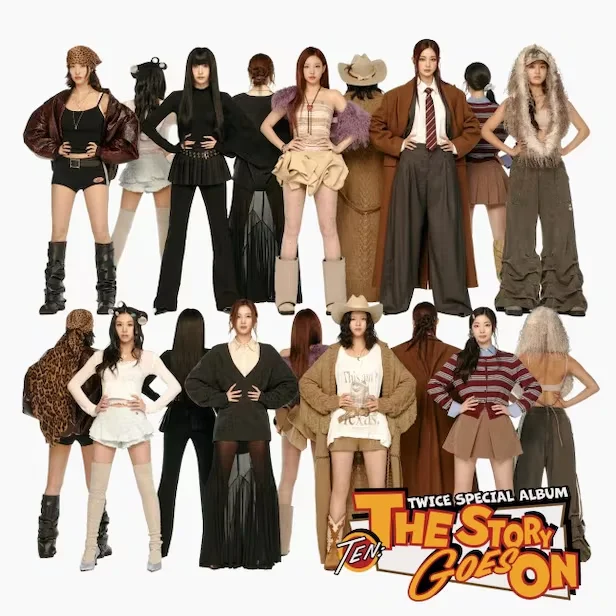
It is almost 10 years to the day that TWICE made their debut with the mini-album The Story Begins and the hit single Like OOH-AHH. TWICE has gone on to have multiple hits since then. Not many groups go on to celebrate their 10th anniversary, so to commemorate this fantastic milestone, TWICE released their special album titled TEN: THE STORY GOES ON yesterday, alongside the title track ME+YOU. Featured alongside this title track are extended versions of solo tracks from each member previously revealed on their THIS IS FOR world tour. ME+YOU is an all-English R&B pop track for their fans (ONCEs). It is a pleasantly smooth song, with a straightforward instrumental and neat vocals overall. Personally, I find it to be a nice listen. Other than that, there isn’t much else to the song. Because of this, I don’t think ME+YOU is the type of song that I would actively look for on my playlist to play. It is interesting that TWICE chose such a song to celebrate a significant milestone in their career. While the lyrics of the song have a warm and nostalgic feel, which feels fitting for a song that looks over the last 10 years, the music itself doesn’t really convey that celebratory sentiment that we were promised. I wish there were a whole lot more to ME+YOU. While the song won’t garner much interest from me, the music video has. I really like the sitcom vibe that the members have going on as they move into a new apartment. It was amusing to watch the members in the video, especially in relatable scenes like SANA incorrectly plugging the USB into the player, or NAYEON and SANA struggling with the PowerPoint. Seeing the members give us a throwback to the bus scenes in the Like OOH-AAH music video was a really nice nostalgic touch, even though the members found themselves amusing and cringey. The video also features actor Uhm Tae Goo, who plays their awkward neighbour across the hall, who becomes frustrated but ultimately shy with TWICE. His cameo and interaction with TWICE add another layer of comedy to the video.
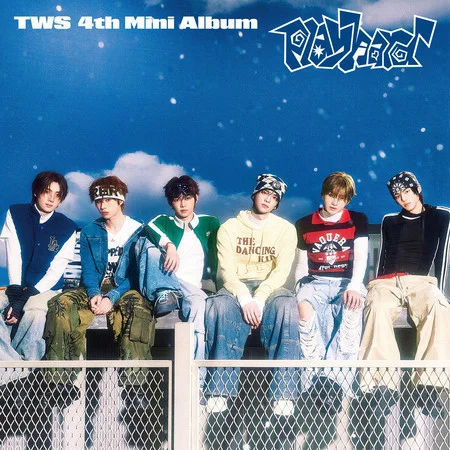
Yesterday, TWS dropped their 4th mini-album, PLAY HARD, with the single OVERDRIVE serving as the title track to the mini-album. It follows the pre-release of Head, Shoulders, Knees, Toes, which dropped two weeks ago. It also follows TWS’ earlier comeback, Countdown and the mini-album Try With Us (yet to be reviewed), which occurred in April. OVERDRIVE seems to bring together the edgy influences that were heavily present in Head Shoulders Knees Toes and combine them with the ‘boyhood pop’ that the group has consistently put out since their debut. And together, we might have a new direction for TWS that feels refreshing and different. I really enjoy the slight rock influences that come through the instrumentation. The bass guitar riff is super dominant and gives OVERDRIVE a standout characteristic. The humming that accompanies some of these guitar riffs post-chorus was definitely a clever tool to key the riff into our memory banks! The drums are punchy and make the song feel buoyant and energetic, which matches the energy we have seen from TWS through past releases. Even the members’ delivery is full of life and adds excitement to the song, with the chorus being super catchy. My only gripe about OVERDRIVE is the “I’m getting hot in here” spoken lines that felt like a take on a rapping segment. It just doesn’t fit the rest of the song that well, and similarly, the lyrics of the song, which speak to their feelings of being in love and how that is putting them into a state of overdrive. Conceptually, the music video has two sides. The first is where members of the group are infatuated with their crushes. These scenes occur in everyday life, with the members being distracted, looking to spoil their crushes, and being love-struck by them. Think ‘I won’t tell people I am in love, but there will be signs’. The second part is a video-game-esque concept, where if the love puts the members into overdrive, they will respawn in the video game setting. It is quite an interesting and abstract way of looking at love, and I like how it aligns with the boyhood concept TWS has been known for. I do like the light-hearted moments, like DOHOON protecting his hand at all costs (after coming into contact with his crush) and JIHOON leaning on the sign, causing it to fall onto the other members (and how that leads us back into the dance performance). Like always, TWS performances have always been a highlight of the comeback, and this one is no exception. Per usual, I really liked the energy they put into the performance. But I also liked how their expressions brought brightness and additional colour to the routine. The final chorus is my favourite bit, with the exciting jumps and flips.
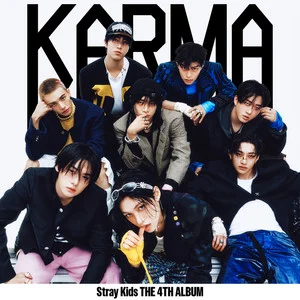
Stray Kids recently made their comeback with their fourth studio album, KARMA, led by the title track CEREMONY. However, I still have a backlog of song reviews related to Stray Kids that I have yet to post, including the solo tracks from their Hop mixtape and the unit tracks from their Mixtape: Dominate album. I have already made a start on this backlog, with CHANGBIN’s solo single from Hop, ULTRA, up next. For the other reviews of Stray Kids’ solo songs from the Hop mixtape, see the links below the music video. It came as no surprise to me that CHANGBIN’s ULTRA would be the most powerful of all the solo singles. This resonates with his rapping in Stray Kids’ title tracks. ULTRA features two sides that showcase its power. The first is, as expected, CHANGBIN’s rapping. He always ensured his delivery had impact in ULTRA, with the parts where he gives his most angsty delivery being the peak of this power. I really liked how he played with the tempo of his delivery, helping make ULTRA dynamic and engaging for me. I also really liked it when CHANGBIN went slightly into vocal territory, which was something a little different and unexpected from CHANGBIN. The second form of power we got from ULTRA was the instrumental breaks. These breaks, each featuring a different synth and EDM profile, build upon everything I have mentioned about CHANGBIN’s rapping and help him expand into other areas (more on this in the next section). Overall, ULTRA comes together to emphasise and push further CHANGBIN’s usual powerful style and dynamic from the Stray Kids track. The music video for ULTRA is dark and edgy, fitting well with the music. I really liked the green lighting in the background, which helps convey a villainous and angst-ridden energy with minimal effort. To me, CHANGBIN’s leather long coat look is probably one of the most iconic looks in this series of the Stray Kids’ solo work. I just wish they had explored the chemistry or the drug creation in the video further. I feel that there is a storyline here worth expanding on. Earlier, I mentioned that the instrumental breaks allowed CHANGBIN to expand into other areas. What I meant by that was CHANGBIN’s top-notch performance. I personally felt he outdid himself with his performance, with the instrumental breaks/choruses giving him a chance to explore a sensual yet powerful side. The flexed bicep and body wave move is definitely one of the memorable moves in this series of solo works, and I liked how each break was something different, performance-wise.