•
American YouTuber Johnny Somali Jailed for Six Months Following String of Disruptive Acts in Korea
3 months ago•Ryan Jung
217
0
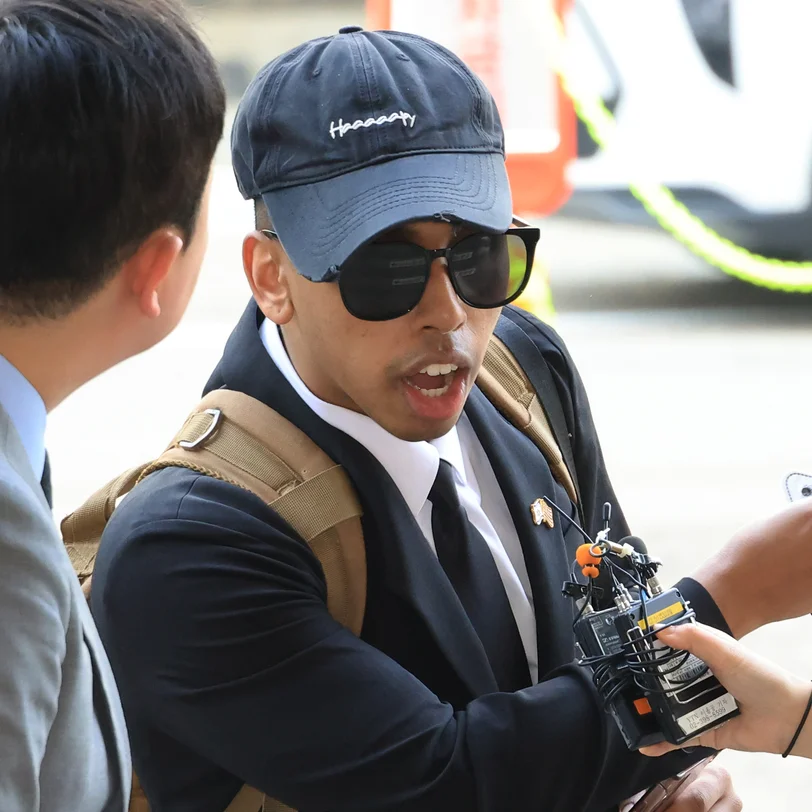
Controversial American YouTuber Johnny Somali, born Ramsey Khalid Ismael, was sentenced to six months in prison and 20 days of detention by the Seoul Western District Court on April 15. The court ordered him into immediate custody, citing a serious disregard for South Korean law through repeated crimes committed for profit.
Key Facts
- Chief Judge Park Ji-won sentenced Somali on charges including obstruction of business, violation of the Misdemeanor Punishment Act, and the distribution of deepfakes under the Sexual Violence Punishment Act.
- Incident reports included disrupting ride boarding at Lotte World on September 30, 2024, and obstructing operations at a Mapo-gu convenience store on October 10 and 17.
- On October 23, 2024, Somali disturbed public order by playing loud music and recording inside a bus.
- Police used Somali’s own YouTube live broadcast footage as primary evidence for their investigations.
- The court imposed a five-year employment restriction at institutions serving children, youth, and the disabled, and confiscated two mobile phones used during the crimes.
- While prosecutors requested a three-year sentence, the court issued a shorter term, noting Somali's long-term departure ban and that some victims did not seek punishment.
- Insulting acts regarding the "Statue of Peace" and "comfort women" victims were not included in this specific trial.
Key Terms
- Obstruction of Business: A criminal charge in South Korea involving interference with economic activity or business operations through force, threats, or deception.
- Departure Ban: A legal restriction preventing an individual from leaving the country during an investigation or legal proceeding.
Key Quote
"I regret my crimes and want to apologize to the Korean people. I have family in my home country. I am still young and want a chance to make a fresh start." — Johnny Somali
Next
- Somali will serve his six-month prison sentence and 20 days of detention effective immediately.
- Following his release, a five-year employment restriction regarding youth and disabled-related institutions will remain in effect.