•
A & E - Park Hyo-shin
•James Shin
11
0
3/5
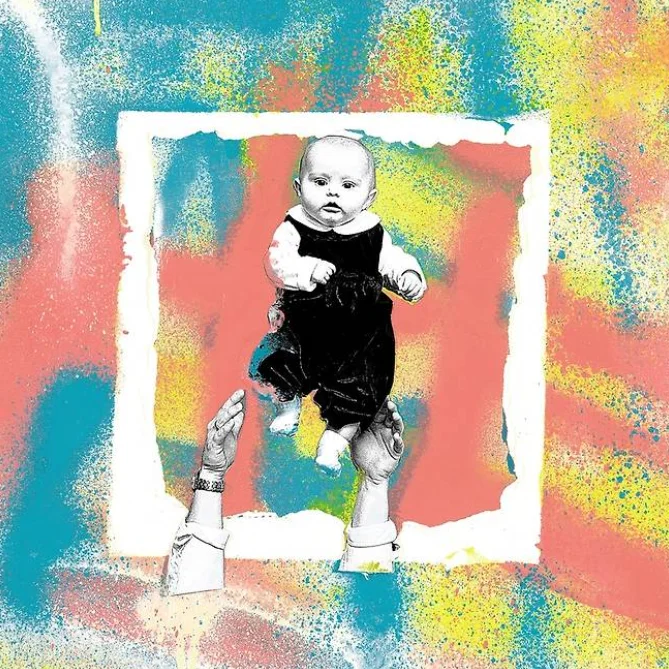
Following a nearly decade-long wait since his last full-length album (I am A Dreamer), Park Hyo-shin finally made his highly anticipated return in 2026 with the EP, A & E.
The title refers to the ancient Latin ligature "æ"—a single character formed by fusing the letters 'A' and 'E'. As Park Hyo-shin shared, this symbol serves as the foundational metaphor for the entire album: two distinct entities gracefully merging into one seamless whole.
Here is an in-depth review of the A & E album, exploring its production, themes, and key tracks.
Album Architecture & Sound DesignA & E is a beautifully balanced 7-track journey spanning roughly 27 minutes. Sonically, it represents a mature evolution of Park Hyo-shin's musical identity. He strips away the heavy, dramatic beltings of his early career, opting instead for a deeply comforting, healing, and expansive atmosphere that borders on "cinematic folk" and classical pop.
The production is helmed by Park Hyo-shin alongside the brilliant Sam Kim, with contributions from elite arrangers like Freedo and Ryan Bickley. The instrumentation is lush yet spacious—trading aggressive digital synths for warm acoustic guitars, grand pianos, and sweeping orchestral arrangements that elevate his signature baritone voice.
The title track "AE" co-written with legendary lyricist Kim Eana, "AE" serves as the emotional thesis of the record. It deals with unconditional, deeply spiritual love—the idea of connecting and communicating with someone regardless of roles, usefulness, names, or gender. It begins softly, carried by intimate vocal delivery and delicate guitar plucking, before expanding into a soaring, euphoric climax. It feels less like a traditional commercial ballad and more like a collective hymn of comfort.
A & E is not an album designed for instant, high-energy chart success; it is a long-form artistic statement built for longevity. Park Hyo-shin successfully transforms his role from a powerful vocalist into a gentle, reassuring narrator. The album moves away from the devastating sorrow of past hits like "Wild Flower" and moves toward reconciliation, unity, and healing.